
Preventive maintenance is easier to defend when the planned job actually turns into controlled work. Too many maintenance programs stop at scheduling. The planner knows the job is due, but the safety review, work preparation, and closeout evidence happen somewhere else.
Why planned work still creates risk
Because the job is scheduled, teams sometimes assume it is already safe. That is rarely true. A planned task can still require:
- task-specific hazard review
- approvals before work starts
- permit to work or hot work controls
- contractor assignment
- completion evidence and final closeout
If those controls sit outside the maintenance plan, the organization loses traceability.
What a better preventive-maintenance workflow looks like
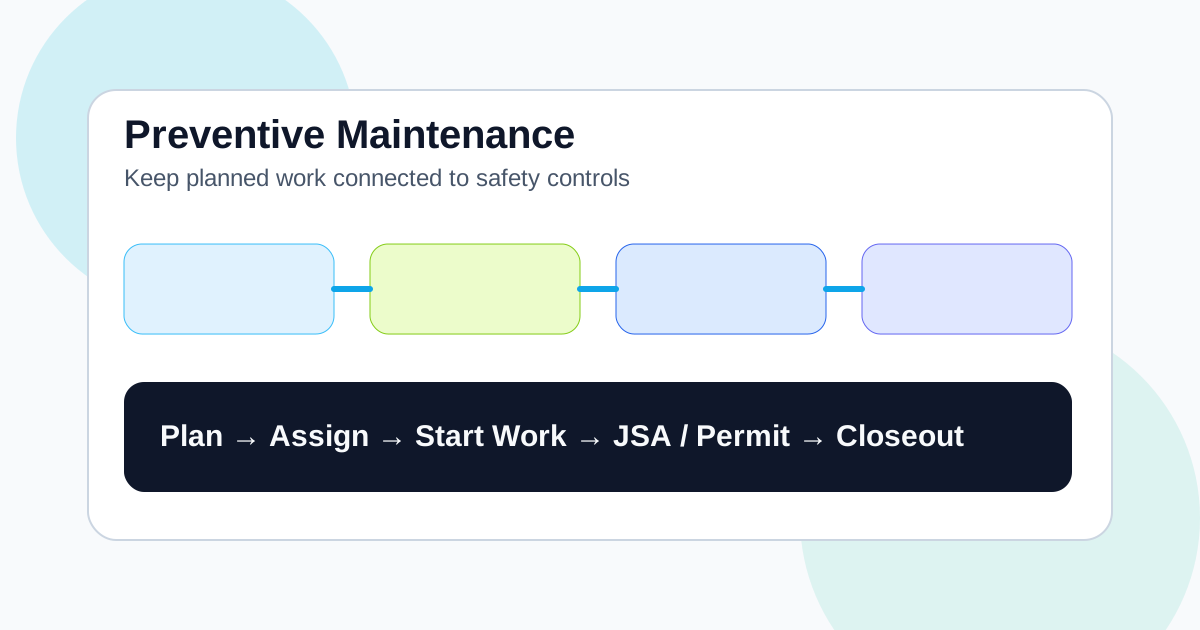
In a stronger system, the maintenance plan does more than create a due date. It helps drive the downstream execution path:
- the plan generates the scheduled job
- the job is assigned to the right person or team
- the assignee can start work from the scheduled task
- the work request carries the maintenance context forward
- JSA and permit controls can be added where required
- the finished work is closed with preserved history
That turns maintenance planning into operational control instead of calendar management.
Assignment is part of the control model
One useful pattern in AIO-ASMS is that the maintenance job can be assigned before the work is started. The person opening the job sees the ownership clearly, and the workflow can route them into the work-creation path with the maintenance context already attached.
That reduces re-entry and makes the record easier to follow later.
Why maintenance and safety should not live in separate tracks
When reliability teams plan work in one system and safety teams control it elsewhere, both sides lose something. Maintenance loses execution visibility. Safety loses context about why the job exists, what asset is involved, and whether the work actually closed.
Bringing those pieces together makes it easier to answer:
- Which planned jobs are still waiting on review?
- Which maintenance tasks require permits?
- Which jobs were completed and archived cleanly?
- Which recurring defects keep triggering the same work?
Better closeout for planned work
Closeout matters just as much for preventive work as it does for reactive repairs. Teams need to know whether the planned maintenance was completed, what notes were recorded, and whether linked work or permits were properly closed. That is what makes the maintenance program reviewable instead of assumed.
What to look for in software
If you want preventive maintenance to support both operational continuity and control, look for software that can:
- manage plans and scheduled jobs
- assign jobs clearly
- launch work from the maintenance context
- connect to work requests, JSA, and permits where needed
- preserve closeout and asset history afterward
Start with your highest-risk PM jobs
The easiest place to begin is not every task on the schedule. Start with the maintenance jobs that create the most operational or safety exposure when they go wrong. Once that control path works, the broader maintenance program becomes easier to standardize.
**About Sophtri**: AIO-ASMS supports asset and maintenance workflows that connect scheduled jobs, work requests, JSA, permit needs, execution, and closeout for industrial operations.